The Journal
Clear thinking for complex health conversations.
Measured, practical writing on acupuncture, treatment and health—without miracle claims or manufactured certainty.
-

6 Acupoints for Treating Acute Lumbar Sprain
Acute lumbar sprain is a very common cause of sudden low back pain. It typically happens when the body twists unexpectedly, when someone moves without proper control, or when lifting and carrying heavy objects causes a sharp lumbosacral strain. The result is a local soft-tissue injury involving structures such as muscles, fascia, ligaments, and the joint capsule, often with immediate pain and restricted movement. In practice, selecting points according to the exact pain location and the...
Read article -

Acupuncture for Chronic Neck Pain
Chronic neck pain is so frustrating because it keeps coming back, and acupuncture has repeatedly been discussed in recent research as well. Many people think the first flare-up will settle after a few days of rest, but then it returns after a while, and the longer it drags on, the more it affects work and sleep. The painful area is usually between the upper nuchal line and the level of the shoulder blades. When it is severe, it can spread to the head and upper limbs, causing radiating...
Read article -

Acupressure for toothache
Teeth are a bit like invisible organs in everyday life: when nothing hurts, you barely notice they’re there. But once toothache hits, it can pull you straight out of normal life. You can’t eat properly, you can’t sleep, and even a sip of water can set the nerve off. Talking, chewing, and even brushing your teeth can feel like torture. Many people recognise the pattern: you manage to hold it together during the day, but at night the pain feels sharper, you can’t get comfortable no matter how...
Read article -

Beyond Wrinkles: How Facial Acupuncture helps Soften Frown Lines Naturally
In today’s high-pressure, fast-paced lifestyle, many people unconsciously frown again and again, and over time glabellar lines become one of the most common and noticeable wrinkles in the upper third of the face. From the perspective of facial acupuncture, these lines are not only a sign of skin ageing but also a visible reflection of long-term stress, fatigue and emotional tension. Glabellar lines may appear vertical, horizontal or slightly oblique, depending on the dominant activity of the...
Read article -
Differences in Acupuncture Tonification and Reduction between Nei Jing and Nan Jing
Tonifying and reducing needling methods represent the essence of traditional acupuncture techniques. Early classical works of Chinese medicine, Nei Jing and Nan Jing , contain extensive records on this subject. This article systematically reviews and compares the discussions of tonifying and reducing needling methods in these two classics from the perspectives of their principles and theoretical connotations, as well as three key factors in clinical operation: the site of stimulation, the...
Read article -

Understanding Pain Relief Acupuncture Through Modern Imaging Research
In recent years, pain relief acupuncture has attracted growing public interest in the UK, alongside increasing scientific efforts to understand how it works. A study published in an internationally recognised journal examined common myofascial trigger points in the shoulder and neck region, showing that before treatment the affected muscles were often thicker and stiffer than those on the healthy side. These findings indicate that persistent muscle discomfort is not simply a subjective...
Read article -
Overview of Moxibustion Methods in the Neijing
In the Neijing, in addition to the Nine Needles, a variety of therapeutic methods are recorded, including guiding and stretching exercises, Dao Qi, massage, moxibustion, hot compresses, needling, and medicinal ingestion, as stated in Lingshu Bingchuan. Among these, moxibustion was one of the most important therapeutic methods. Suwen Yifa Fangyi Lun states that the northern regions are areas where Heaven and Earth are closed and stored, the land is elevated, with severe wind and cold. The...
Read article -

COPD Cardiorespiratory Fitness and Moxibustion
Chronic obstructive pulmonary disease, or COPD, is a heterogeneous lung condition characterised by persistent airflow limitation caused by abnormalities of the airways and or alveoli. It is now among the leading causes of death worldwide, and its long course with recurrent exacerbations makes long-term management difficult. Even in the stable phase, many patients experience breathlessness and reduced activity tolerance, so prevention and maintenance at this stage focuses on easing symptoms...
Read article -

Electroacupuncture and male infertility
Oligoasthenoteratozoospermia, also known as OAT, can be understood simply as having a lower sperm count and weaker sperm motility, often accompanied by problems in sperm shape, and it is a common cause of male infertility. For many men, the first time they see a semen analysis report, what troubles them most is not only the numbers, but the sudden realisation that everyday factors such as stress, sleep patterns, body weight, alcohol intake, and environmental exposures may be quietly affecting...
Read article -
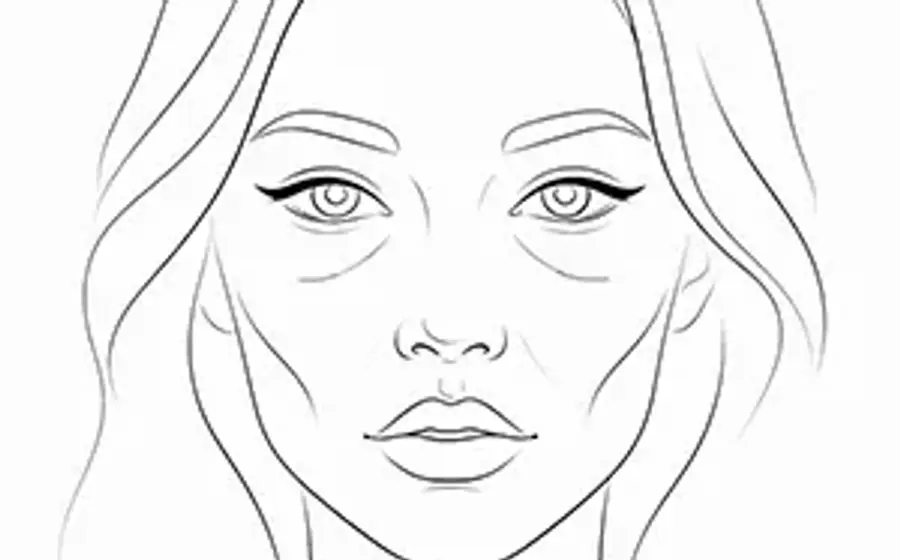
Midcheek grooves in the Mid-Face: A Structural View with Acupuncture Strategies
Acupuncture to improve the midcheek grooves (Malar Groove) is not just about smoothing the skin; the key lies in rebalancing mid-face support and tissue tension. Midcheek grooves (the oblique grooves of the lower mid-face) commonly appear beneath the malar fat pad apple cheek. With age, they are more readily exaggerated by light and shadow, presenting as an increasingly obvious depression. Using acupuncture as the starting point, this article links the appearance of midcheek grooves to the...
Read article