Stomach pain, bloating, and a poor appetite often lead people to wonder: Is there something seriously wrong with my stomach? In reality, digestive symptoms aren't always caused by a structural illness; often, they are closely linked to emotional stress. At our London acupuncture clinic, it is common to see patients whose gut symptoms worsen during difficult periods. Acupuncture is frequently used alongside lifestyle advice to help regulate the autonomic nervous system, ease gastrointestinal spasms, and support the recovery of digestive function.
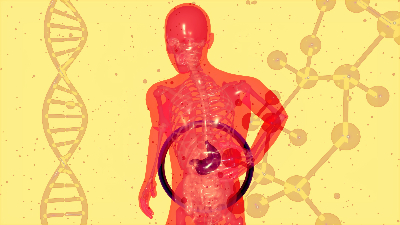
The gut is often described as an emotional mirror. Feelings such as joy, anger, worry, overthinking, sadness, fear, and shock can all influence gastrointestinal activity, manifesting as very real physical symptoms. How Emotions Alter Digestion Low or suppressed emotions—such as grief, low mood, and fear—are more likely to slow gut motility and reduce digestive secretions. This often leads to a poor appetite, feeling full quickly, belching, bloating, and constipation.
By contrast, more active emotions like anger, irritability, and tension can trigger a high-motility response. These feelings may increase stomach acid secretion and gut movement, contributing to acid reflux, gastritis, and in some cases, even peptic ulcers, accompanied by abdominal pain and diarrhoea.
Stress and the Daily Grind
In everyday life, many digestive complaints are tied to our mood. It is not unusual to develop stomach discomfort when work pressure is high or life feels unsettled. Long-term stress can disturb autonomic regulation, affect gastric secretion, and reduce blood supply to the stomach lining (mucosa). In milder cases, this may simply feel like a loss of appetite; in more severe cases, ulcers may occur.
Another common pattern is stress-related diarrhoea. Under pressure, or when experiencing anger or low mood, many people experience indigestion or bowel changes. This is a classic example of the brain–gut axis, where the brain directly influences gastrointestinal function. If you feel the urge to go to the toilet whenever you are nervous, or if you have persistent abdominal pain and diarrhoea but medical tests show no clear abnormality, Irritable Bowel Syndrome (IBS) may be a possibility. While diet can trigger IBS, psychological factors are significant contributors.
Bloating and trapped wind are also frequent complaints. When someone remains in an angry, low, or irritable state for a long time, bowel function can be disrupted, making abdominal distension more noticeable. Stress can also slow gut movement; if you sit for long periods, gas is more likely to build up and become difficult to pass.
The Body’s Second Brain Emotions settle in the gut because the digestive system possesses its own highly developed neural network. The human gastrointestinal tract contains around 600 million neurons. It can regulate digestion without direct control from the brain, which is why it is often called the body’s ‘second brain’.
This second brain and the brain in our head communicate through a complex, subtle system known as the brain–gut axis. The brain influences gut function, but the gut can also influence the brain—including our emotions. For example, when you feel overwhelmed, you might lose your appetite, while others may experience diarrhoea or constipation when angry or excited.
The Role of the Microbiome Beyond nerves and hormones, the gut microbiome is thought to play a key role in the link between mood and digestion. The gut is home to a vast ecosystem of microbes. Estimates suggest there are around 1,000 different species of microorganisms in the gut, with the total population reaching roughly 100 trillion. These microbes help maintain normal gut function and may also affect mood. Research suggests the vagus nerve can respond to microbial signals, cytokines, and gut hormones such as serotonin. Changes in the microbiome may send signals through the vagus nerve and the hypothalamic–pituitary–adrenal axis, influencing our emotional state.
How Acupuncture Can Help?
Acupuncture is often discussed as a supportive therapy for gastrointestinal complaints.
For stomach pain: It may help regulate the autonomic nervous system, ease spasms, and influence the secretion of gastric acid and pepsin. It also aims to strengthen the mucosa’s resistance to injury and support tissue repair.
For hiccups: Acupuncture helps reduce abnormal firing of the phrenic nerve, regulates autonomic function, and improves breathing patterns to provide relief.
For diarrhoea: It is often described as having a balancing (bidirectional) effect on the digestive system—helping to adjust motility, improve intestinal blood circulation, and reduce inflammation.
For constipation: Acupuncture may help enhance bowel motility, strengthen rectal contraction, and relax the anal sphincter to promote regular bowel movements.
Finding Balance In a busy life, emotional balance is easy to overlook. In Traditional Chinese Medicine (TCM), overthinking is associated with the Spleen system; the view is that excessive worry and rumination can bind the Qi and weaken digestion over time. Modern observations echo this traditional wisdom: people under long-term mental strain are more likely to experience conditions such as ulcers, reinforcing the idea that prolonged stress burdens both digestion and overall vitality.
Eating with a calm mind is vital. ‘Bringing anger to the table’ can interfere with nervous regulation and digestive secretions, making digestion less efficient. Overeating while angry may stimulate stress responses that weaken the stomach’s protective barrier, raising the risk of gastritis. When emotions are running high, it is best to slow down, settle your breathing, and let your system return to a steady baseline before eating.