There’s a quiet truth most acupuncturists notice long before they try to explain it: people don’t feel the same from week to week. Sleep shifts. Digestion turns fussy. Emotions rise and fall like weather. And somewhere behind the scenes, the Moon is doing what it has always done—pulling at tides, light, and, if you think in Chinese medicine’s language, the movement of Yin and Yang and the way fluids and Blood “gather” and “disperse” through the month.
I don’t mean this in a mystical, fortune-telling way. It’s more like noticing how a room changes when the lamps dim, then brighten. The body reads context. It responds to rhythm. In clinic, some people become more inward near the dark Moon; others feel buzzy and overfull as the Moon rounds out. Even pain can have a lunar accent: swelling, heaviness, headaches that throb, anxiety that suddenly can’t find the brake pedal. The Moon doesn’t “cause” every symptom, but it can be a useful clock—one more way to time what you’re already doing.
If you like working with cycles, you can treat the lunar month the way you treat the seasons: you don’t use one technique all year and call it wisdom. You adjust. You meet the moment.
New Moon (the dark Moon): returning to the rootWhen the sky is spare and the light is thin, the body often wants simplicity. This is the phase I think of as “settling into the bones”: more Yin, more quiet, more repair. Treatment here tends to do well when it’s not trying to whip anything into action. The emphasis is anchoring and consolidating—calming Shen, gathering scattered Qi, supporting the core when someone feels depleted or a bit unmoored.
In practical terms, that often means a softer style of needling: fewer points, gentler stimulation, longer retention. You might favour the kind of combination that steadies the centre and the heart—something that eases nervous tension, supports digestion, and helps sleep find its way back. Moxibustion fits beautifully here too, not as a dramatic bonfire, but as a warm hand on the abdomen or lower back: quiet warmth that reminds the body it’s safe enough to rest.
Waxing Moon (from crescent to first quarter): building, tonifying, encouraging growthAs the light starts to return, there’s an unmistakable sense of “upward” in the month. This is where building work tends to land well—tonifying Qi and Blood, supporting Spleen and Stomach, strengthening the Kidney system, nudging the body towards a clearer, steadier output of energy.
Technique can be a touch more active than at New Moon, but it still wants to be constructive rather than aggressive: reinforcing methods, moxa when appropriate, and point choices that help the body make something—better sleep architecture, steadier appetite, stronger recovery, more resilient mood. If someone is coming out of burnout, or their cycle is irregular and they feel thin and cold, this waxing phase often feels like fertile ground. It’s the month’s “mixing bowl” moment: you put ingredients in and let the body do the cooking.
Waxing gibbous (the week before Full Moon): movement with finesseNow the Moon is almost round, and people often start to feel it in the edges: irritability, breast tenderness, headaches, water retention, that sense of being slightly too full in one’s own skin. In Chinese medicine terms, this is where Qi can start to bunch—especially Liver Qi. The art here is moving without scattering, clearing without overcooling.
This is a lovely phase for “regulating” treatments: smoothing the Liver, harmonising the middle, easing constraint in the chest and ribs, untying the neck and jaw, settling the stomach if nausea or reflux flares. Cupping can be brilliant when tension is held in the upper back and shoulders; gentle gua sha can help the body vent what it’s been carrying. Even with needles, I tend to think “unbutton the tight collar” rather than “kick the door down”.
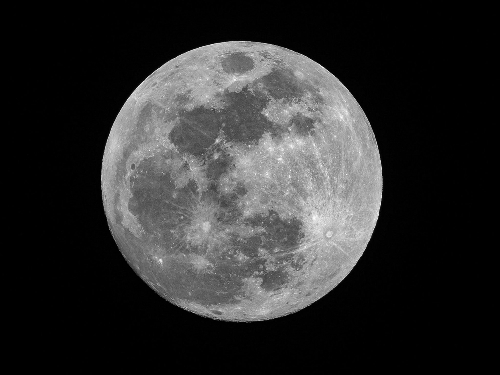
Full Moon: excess at the surface, emotions near the skinFull Moon weeks can be startlingly honest. Things that were contained decide they want air. People report vivid dreams, restless sleep, heightened anxiety, stronger cravings, flare-ups of inflammatory skin issues, a sense of heat or agitation. It’s also a phase when some pains feel more dramatic—pulsing, swelling, throbbing—like the body has turned the volume up.
So treatment here often leans towards clearing and settling. You’re not trying to suppress the person; you’re helping them discharge excess safely and come back into their body. Calming techniques, points that clear heat and settle agitation, methods that move stagnant Qi and Blood when it’s clearly stuck. If there’s pronounced “excess” presentation—sharp irritability, pounding headaches, red face, wiry tension—this is the phase where more dispersing needle technique can make sense.
Some traditions also like more “venting” methods around this time—very light bloodletting from appropriate superficial vessels in specific situations, or stronger cupping—because the sense is that what’s at the surface is easier to release. The key word is appropriate: the Full Moon can make people feel exposed; treatment should feel like relief, not like being pushed.
Waning Moon (from just after Full to last quarter): releasing, clearing, letting goAfter the Full Moon, there’s often a natural exhale. This is a beautiful phase for reducing what doesn’t serve: phlegm-damp patterns, lingering heat, digestive sluggishness, the “muddy” heaviness some people describe in body and mind. If the waxing phase is about building and organising, the waning phase is about tidying and composting.
Here I often think of treatment as drainage and refinement. You can support the body’s elimination pathways—bowels, urination, sweating (gently), lymphatic movement—without making the person feel wrung out. Cupping and gua sha can still be used, but in a way that supports circulation and release rather than forcing a purge. Needling may focus on harmonising the middle, transforming damp, regulating the Liver and Gallbladder when frustration and “stuckness” linger.
Waning crescent (the final days before New Moon): deep rest, repair, and protectionIn the last sliver of Moon, many people turn inward again. Fatigue can be more obvious, emotions can feel tender, and the body may crave warmth, sleep, and quiet. This is where you protect the reserves. If the waning phase was about release, this final stretch is about not spending what you’ve just recovered.
Treatment tends to return to fewer points, deeper settling, gentle tonification where needed, and a touch of warmth—especially if the person runs cold or feels anxious and ungrounded. It’s also a nice time to work with the “root” systems: Kidney, Heart, Spleen—those steadying influences that keep life ticking when everything else feels loud.